Your pace, not a score
Everyday support should adapt to changing energy and needs.
Home / About Chiedza
About Chiedza
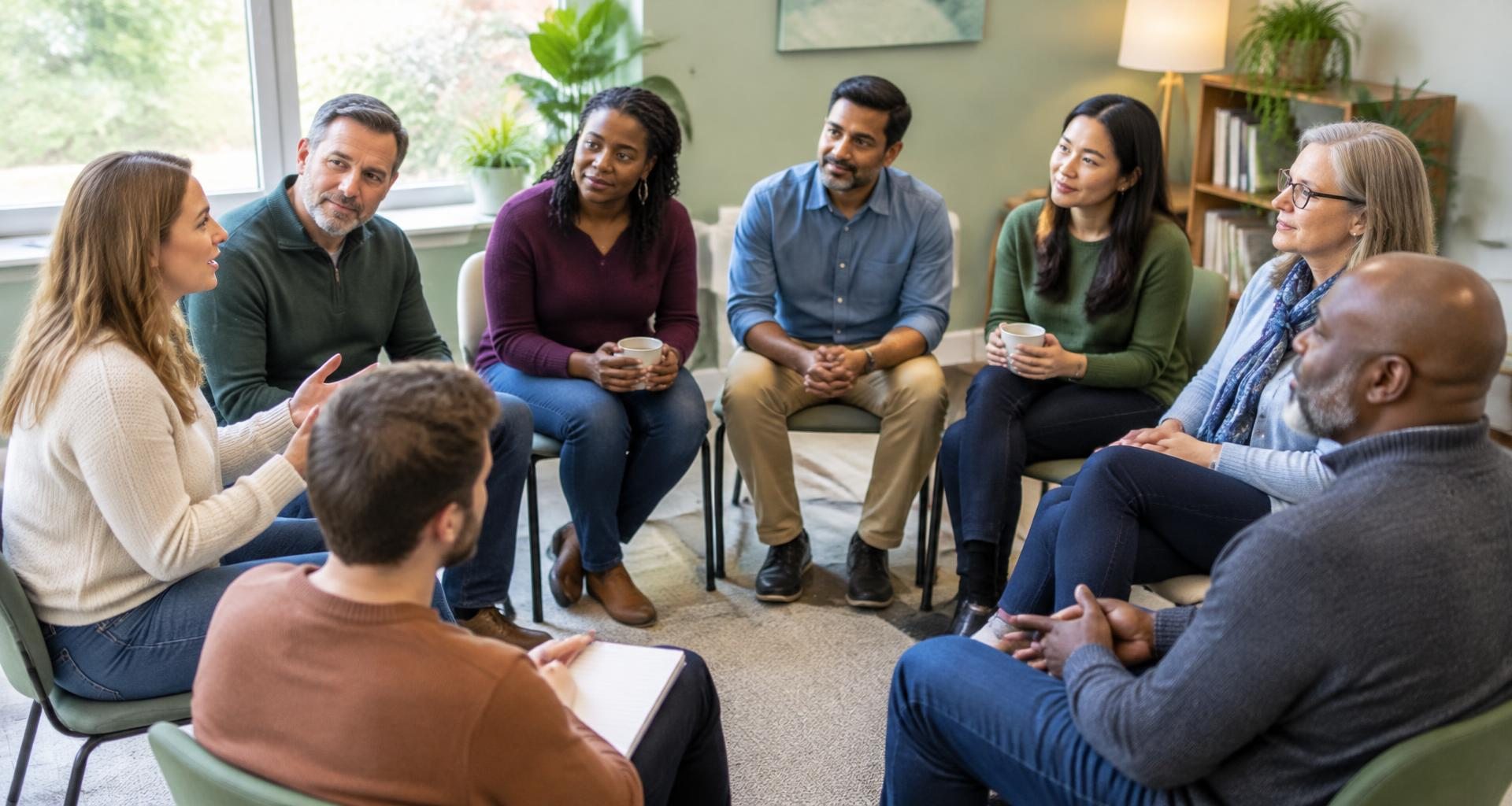
Chiedza begins with a simple belief: care should adapt to human capacity, and a person should never have to perform consistency to deserve support.
Live now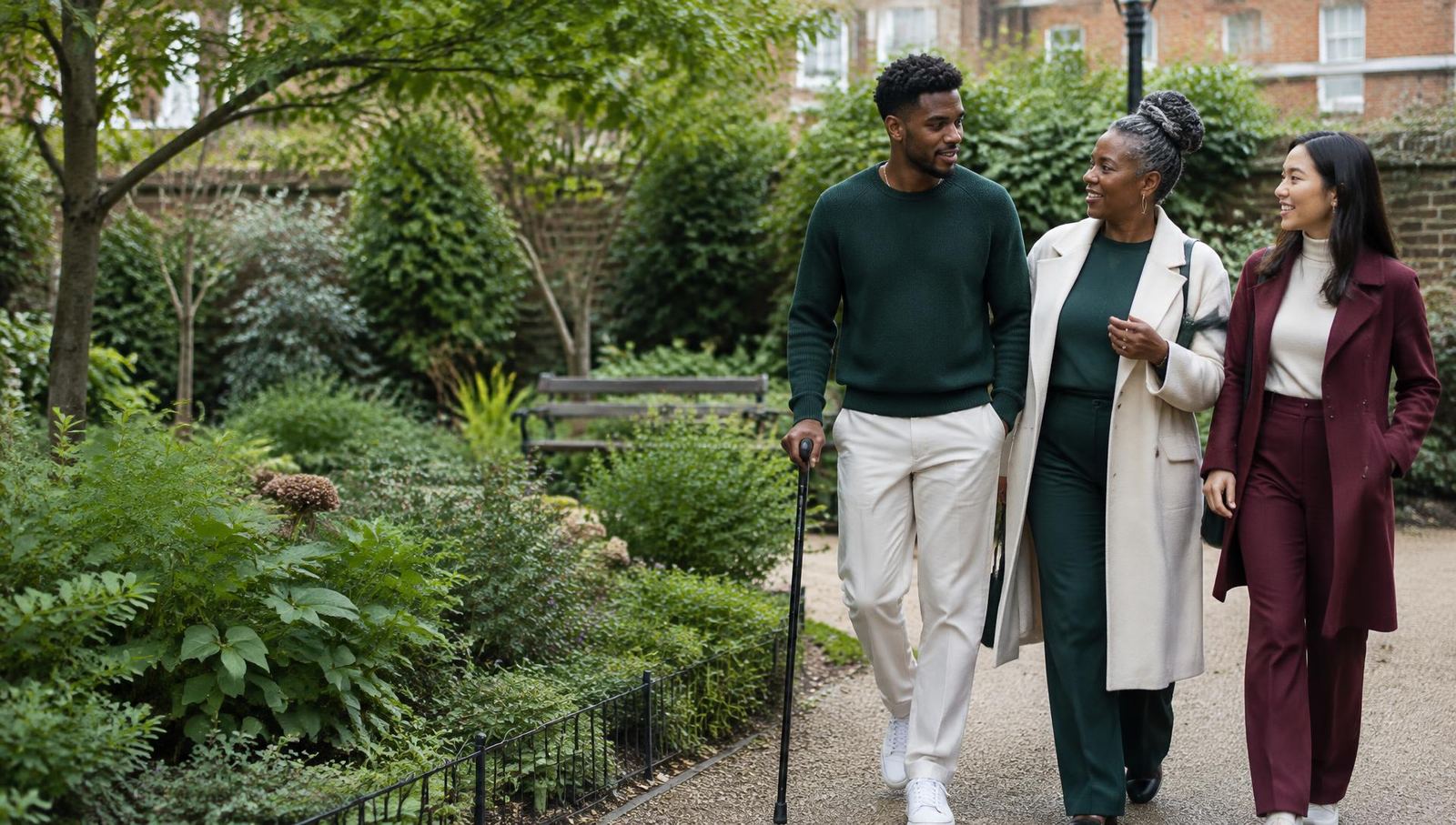
Care belongs in ordinary life, too.
“Recovery is non-linear. Care should know how to welcome someone back.
Formal care often arrives at defined moments: an appointment, a crisis response, a treatment period. Recovery continues afterwards, through ordinary evenings, difficult returns and small changes that may not look consistent from the outside.
Chiedza makes space for those moments. Technology should reduce pressure, human care should remain reachable, and each person should be able to define what “better” means for them.
Our mission
Our vision
What makes the approach different
A difficult day should not become a failed streak. A quiet week should not mean someone has stopped trying.
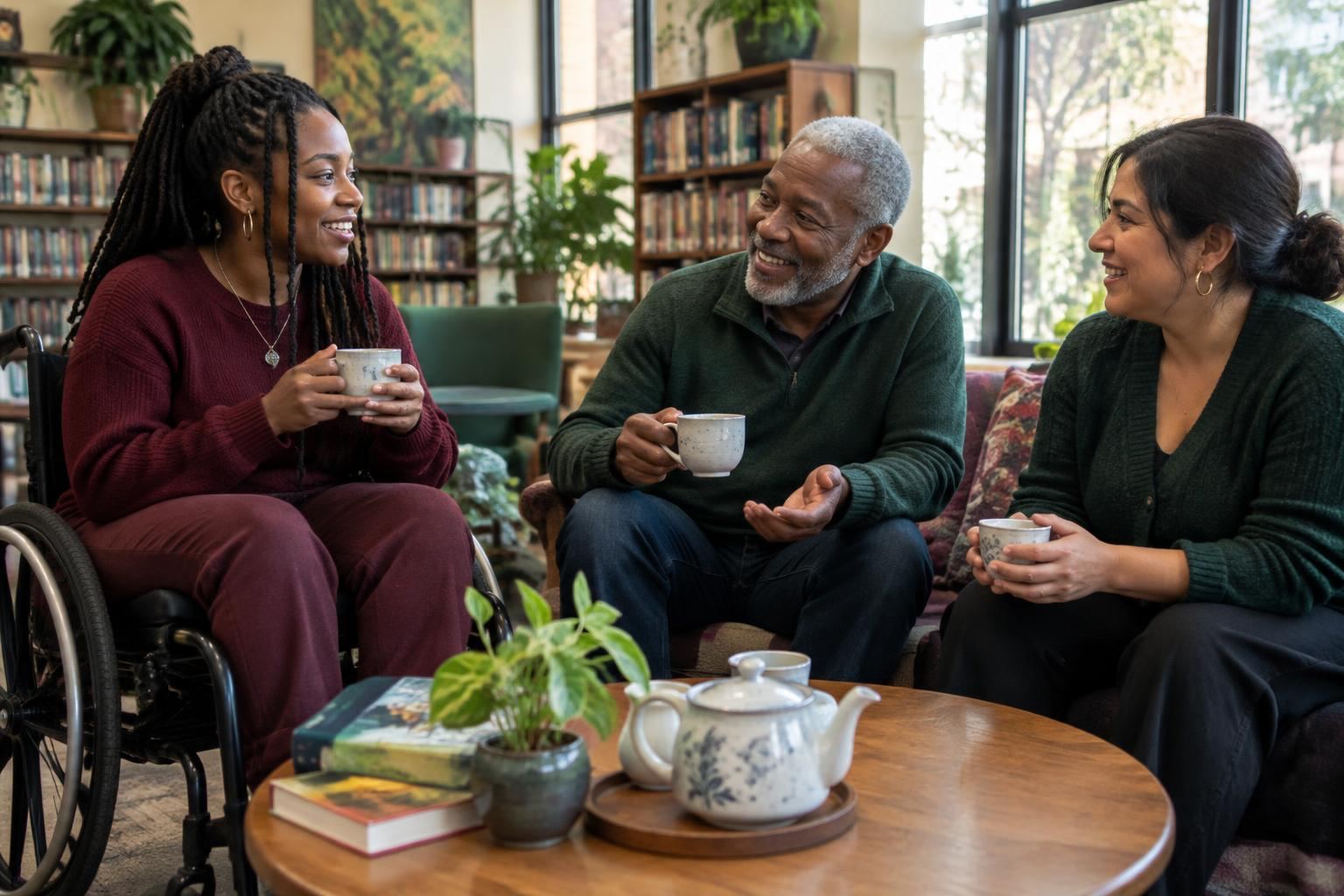
Chiedza begins with the capacity a person has today. Reflection, rest and human connection belong alongside the moments when someone feels ready to act.
The aim is continuity, not pressure to perform recovery.
Everyday support should adapt to changing energy and needs.
Keep existing clinical advice, treatment and support at the centre.
The app is live. Organisational pathways remain exploratory and require validation.
Values
01
A person is more than a diagnosis, a difficult day or a measure of progress.
02
Support should make room for the ordinary hours, not only visible moments of crisis.
03
Sharing needs to be understandable, deliberate and open to change.
04
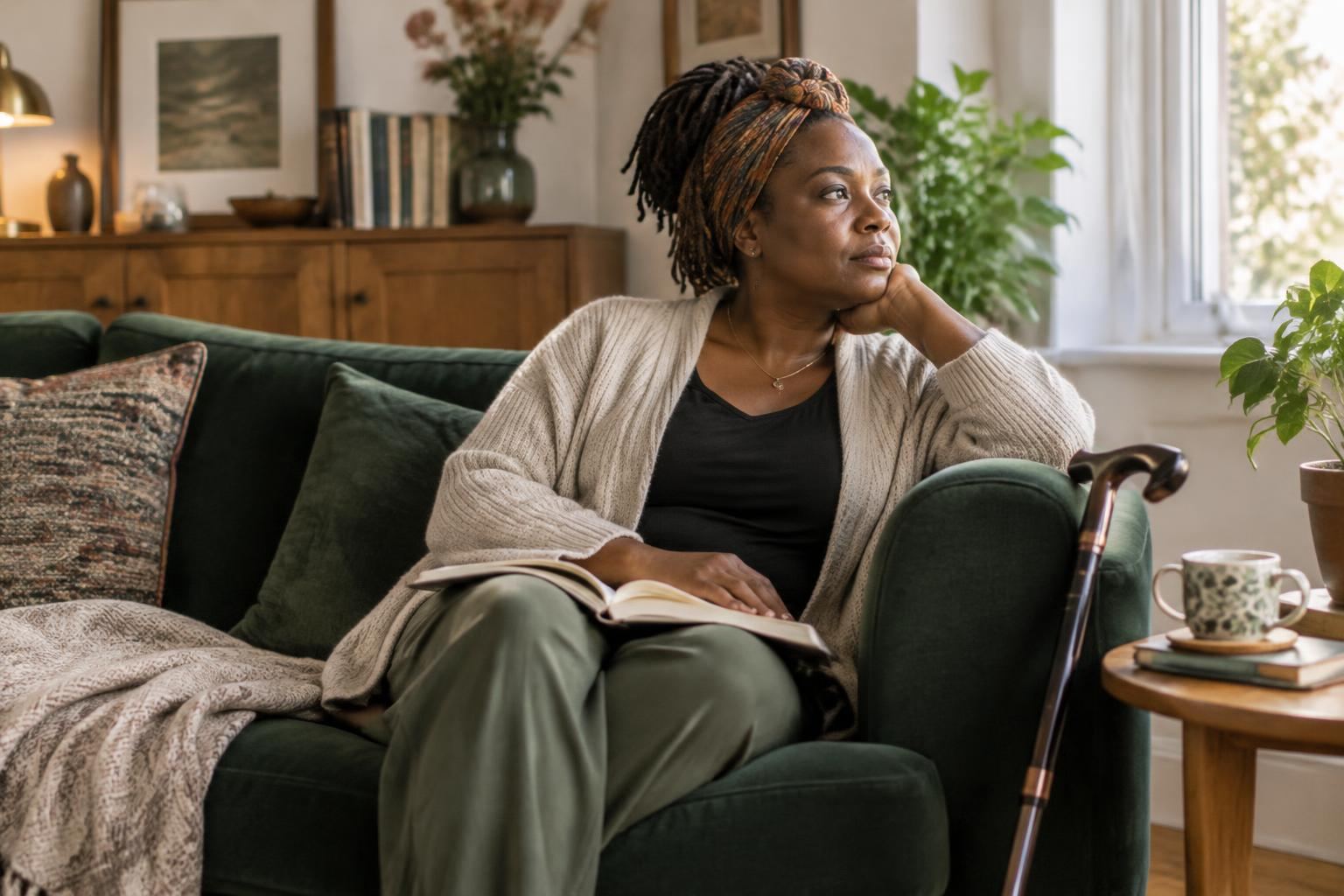
Rest and low capacity deserve a quieter experience, not another demand.
05
Clinical interpretation and treatment belong with qualified humans.
06
People bring different languages, histories and ways of making sense of care.
07
Disability, fatigue and different needs belong in the conversation from the beginning.
Current stage
Now
The Chiedza Health app is live and open for sign-up. Everyday emotional support is the starting point, while clinical workflows, organisational partnerships and wider deployment continue to be developed and validated.
Being live does not mean every care pathway is available in every setting. The website distinguishes current access from partnership concepts and keeps the boundaries of AI support visible.
Get started →
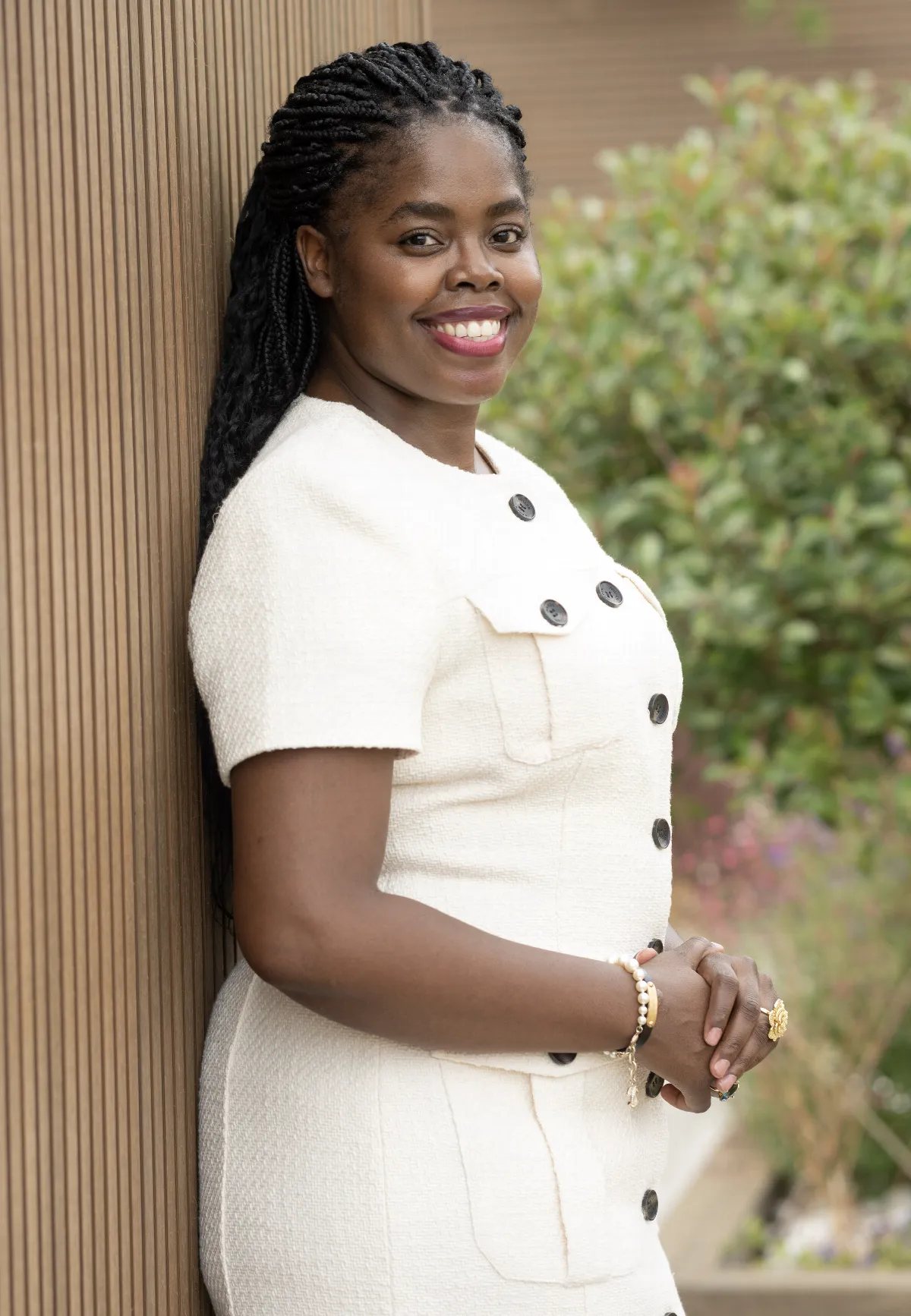
The person behind the purpose
Ngoni Diana Johns founded Chiedza after a four-year search for answers showed her what happens when life changes but care does not continue.
Her background in finance, writing and life coaching shapes a systems-focused response to a deeply human gap.
Chiedza means light in Shona. The light does not go out.
Meet Ngoni Diana Johns →The principles behind the work
01
Lived experience belongs at the centre of the conversation, not in its footnotes.
02
The aftermath deserves structure, attention and support of its own.
03
Rest, fatigue and changing needs should shape care rather than disqualify someone from it.
04
Technology can support reflection. Clinical judgement belongs with qualified people.
05
Language, family and memory are part of how people make sense of recovery.
06
Returning to a former life is not the only meaningful way forward.
Partnerships · A conversation with Ngoni
Life coaching, speaking and thoughtful partnerships. Make room for your next step.
A conversation with Ngoni
Sign up to Chiedza and receive meaningful updates as the care model grows.